
Winter trips from Seoul work best when you choose the experience first: Yongpyong for skiing, Hwacheon for a festival day, Jeonju for food and a hanok stay, or Gyeongju for history with an indoor backup. Snowfall is never a booking guarantee. Choose Jeonju or Gyeongju if your weekend should still work without it.
Last checked: 6 October 2026. Suggested trip lengths below are our editorial recommendations, not official package durations.
1. Choose the winter weekend you actually want
| Destination | Best fit | Suggested stay |
|---|---|---|
| Yongpyong | Skiing or snowboarding | 1 night; confirm operating slopes |
| Hwacheon | Ice-festival activities | Day trip with confirmed return |
| Jeonju | Food and a hanok stay | 2 nights; snow optional |
| Gyeongju | History and museum time | 2 nights; mix indoors and outdoors |
For a first winter getaway, pick one destination. Adding a second city means another checkout, station transfer and luggage problem. A slower itinerary also gives you somewhere warm to go when an outdoor afternoon stops being enjoyable.
This guide covers the trip itself. Use our Korea winter survival guide for clothing and everyday cold-weather preparation. If you only have a spare afternoon, our car-free day trips from Seoul offer a different starting point.
2. Yongpyong: make skiing an overnight trip
Choose this route if skiing is the reason you are leaving Seoul. For a beginner, our suggested plan is to arrive, settle in and arrange equipment on day one, then take a booked lesson on day two. Confirm the lesson and rental opening times before adopting that sequence; equipment collection the evening before is not automatically included.
Yongpyong’s official transport page directs Seoul shuttle bookings to Rideus and describes intercity access through Hoenggye. Check your actual travel date, pickup point, luggage allowance and final connection to the resort. A bus to Hoenggye is not the same as a seat on a direct resort shuttle.
At our check, the English lift-price page still showed the 2025/26 season. Do not treat those prices as a 2026/27 quote. Use the resort’s slope-status board close to departure; a resort operating does not mean every slope is open.
Before paying, compare the whole basket: return transport, room, lift access, skis or snowboard, boots, clothing rental, helmet and lesson. Ask which items a package includes and whether its lift access matches the lesson. First-timers should also confirm lesson language and meeting location.
If one person does not ski, decide together what that person will do and how you will meet for lunch. Do not make an unconfirmed sightseeing ride the entire backup plan. For a mixed-interest group, a city weekend may be easier than a ski-focused booking.
3. Hwacheon: a festival day with a firm return plan
Choose Hwacheon for an event, not a general promise of snow. The Korea Tourism Organization’s festival listing showed 9–31 January 2027 when checked. However, its program information was still identified as 2026 material awaiting an update. Treat the listed dates as planning information, and reconfirm the current program with the festival organizer using the contact details on that listing before purchasing transport or activities.
Our recommendation is a day trip only when the round trip is clear. If booking an organized excursion, check the exact departure stop, return meeting point, included activities and cancellation terms. A listing saying “festival tour” does not tell you whether fishing equipment, admission or lunch is included.
For independent travel, first find a workable return service, then build the outward journey around it. Keep the final departure details available offline. If you cannot verify the connection back to Seoul, do not assume a taxi will solve it at the end of the day.
Plan fewer activities than the advertising suggests. Leave time for queues, warming up, eating and reaching the return meeting point. Follow the organizer’s ice-access instructions, and check the current notice again before leaving Seoul. If the activity you wanted is suspended, decide whether the remaining program justifies the journey before boarding.
4. Jeonju: two nights for food and a hanok stay
Choose Jeonju when you want a winter break that does not depend on snow. The city’s tourism pages introduce Hanok Village and its food experiences. Use those as the starting point for a stay built around a neighborhood and a few meals, rather than a long checklist.
For rail travel, compare departures from Yongsan as well as Seoul Station: Jeonju’s official transport guidance points travelers toward Yongsan for more options. Check the live timetable and your arrival transfer before booking accommodation. “Seoul departure” on an itinerary should not become an assumption about which station your ticket uses.
Our two-night plan: arrive and have an unhurried dinner; use the full middle day for the village, one booked activity and indoor breaks; leave after breakfast on the final day. This is deliberately flexible. You can shorten an outdoor walk without losing the purpose of the trip.
When choosing a hanok room, ask about heating, bedding, a private bathroom and luggage access. Confirm whether you will sleep on floor bedding or a bed, especially if that affects comfort or mobility. The word “traditional” does not answer those practical questions.
Pick one meal you particularly want and verify that restaurant’s opening day. Keep the other meals flexible. For a group with dietary restrictions, send the restaurant your requirements before travel instead of relying on a dish name alone.
5. Gyeongju: history with a museum anchor
Choose Gyeongju for a two-night itinerary with one dependable indoor focus. Put museum time on the coldest or wettest part of your forecast, and leave outdoor sightseeing for the better window. Check closures before deciding which day that will be.
Gyeongju National Museum’s visitor information lists regular hours of 10:00–18:00, with final admission at 17:30. General admission is free, with possible charges for special exhibitions. Closures include 1 January, Seollal and Chuseok; exhibition halls also close on the second Monday of March, June, September and December. Its Saturday late opening applies from March through October, so do not build a midwinter evening around it.
The museum’s transport page lists bus 711 from KTX Gyeongju Station to the museum, with 700 and 710 alternatives via Donggung and Wolji followed by a walk. Verify current departures and stops on your travel date; this is route guidance, not a guaranteed connection time.
Our suggested rhythm is arrival and a short neighborhood walk, a full day split between museum and outdoor history, then a relaxed departure morning. Choose accommodation for the places you want to visit, and account for the transfer from the rail station. Avoid trying to fit every major site between arrival and dinner.
If your decision is still between an eastern mountain trip and a southern city break, our Gangwon versus Busan comparison helps with that broader choice.
6. Book in an order that protects your weekend
- Confirm the main reason to travel. Check ski operation, festival notices or museum closures for your dates.
- Find both transport legs. Include the station-to-hotel or terminal-to-resort transfer. See our guide to leaving Seoul and transit cards before assuming one payment method covers every journey.
- Match the room to those times. Confirm check-in, luggage storage, heating and cancellation deadlines.
- Add paid activities. Check inclusions and refund terms separately from the hotel and transport.
Common problems to solve before departure
Build your budget from those components, plus meals and a transfer contingency. This is more useful than a single “cheap weekend” price that excludes equipment or the final taxi. Compare refundable and nonrefundable totals before choosing.
Keep a backup decision simple: if skiing or the festival is essential and unavailable, change dates or cancel within your booking terms. For Jeonju or Gyeongju, shorten outdoor time and use an indoor stop you have already checked. Avoid replacing one weather-dependent excursion with another unverified one.
7. Frequently asked questions
Which trip is best for a first winter visit?
Choose Jeonju for food and a slower stay, or Gyeongju for history. Choose Yongpyong if skiing is your priority. The best choice depends more on what you want to do than on a snowy photograph.
Can I do these trips without renting a car?
Plan around confirmed trains, buses or a booked shuttle, plus the final local transfer. Check both directions before paying. Hwacheon needs particular care because your plan is tied to an event and its transport arrangements.
Will I definitely see falling snow?
No. Do not book any route here as a guarantee of snowfall. For skiing, check actual slope operation; for a city break, choose activities you would enjoy without snow.
Are the Hwacheon 2027 dates confirmed in this guide?
We report the official tourism listing checked on 6 October 2026: 9–31 January 2027. Recheck the organizer before booking; the linked listing still carried older program material.
Where should I check prices and opening times?
Use the official resort, organizer, city tourism and museum links above, then check the live booking page for your date. A previous season’s price or a general transport page is not a current reservation quote.
8. Official resources and how we checked
For this guide, we checked the linked resort transport and ski pages, the official festival listing, Jeonju city tourism information, and Gyeongju National Museum’s visitor and transport pages on 6 October 2026. Trip lengths, booking order and suggested daily plans are editorial recommendations. This is a source-checked planning guide, not a report of a personal visit.
Keep the official links above with your bookings, and revisit them near departure. For more practical planning, browse the 90DaysKorea guide hub.
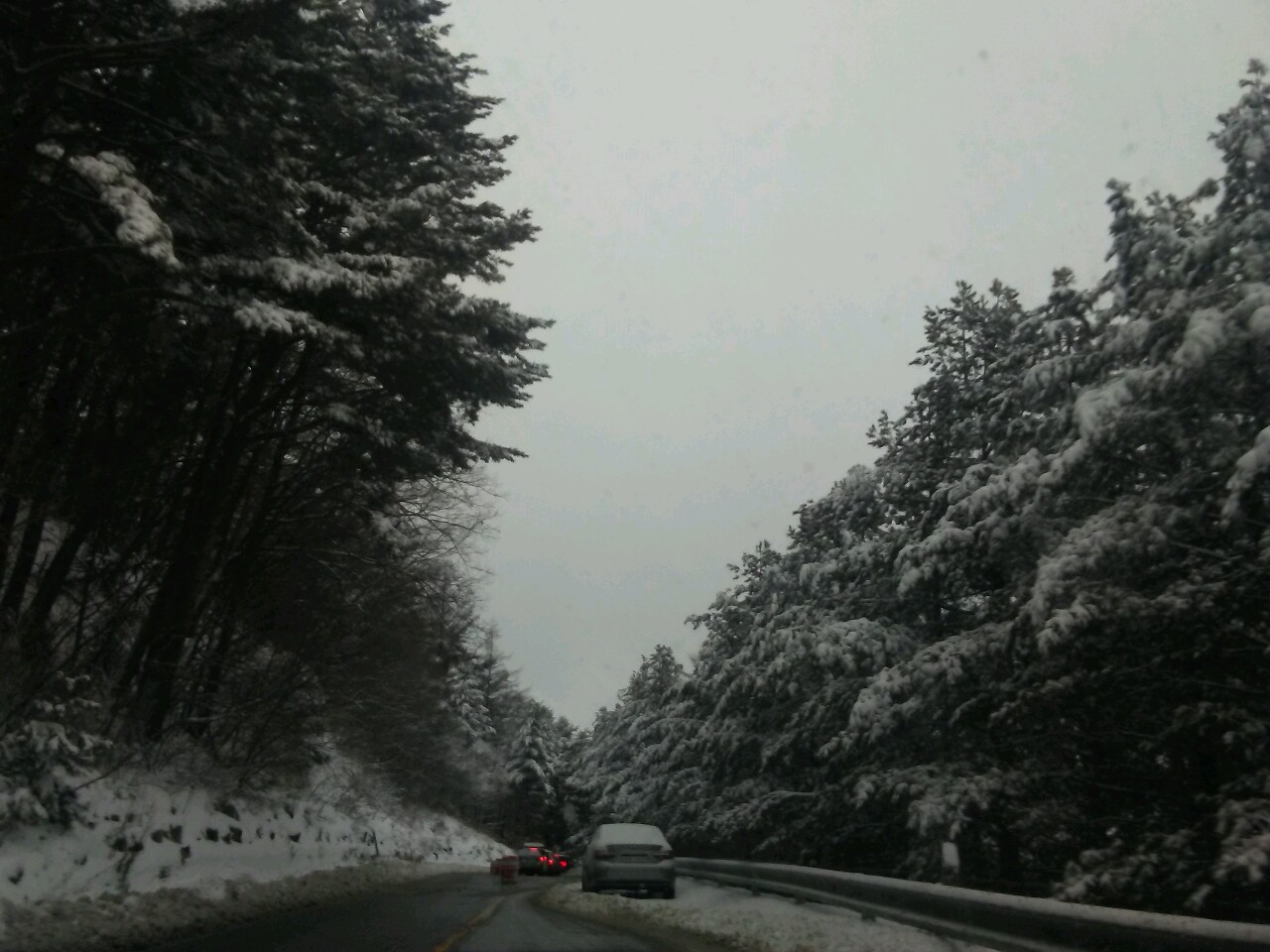
Featured photo: Yongpyeong Resort, 21 January 2024, by Seodaemungu Student, via Wikimedia Commons. Licensed under CC BY 4.0. Original photograph displayed responsively; it does not show current-season conditions.